Mayow Park garden waste removal in Sydenham made easy
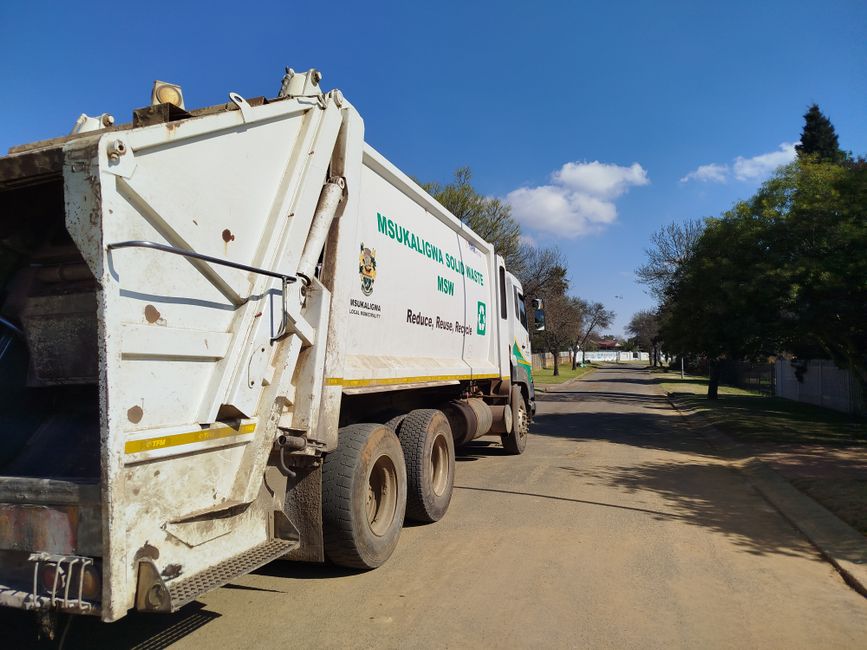
If your garden is overflowing after a weekend tidy-up, you are not alone. Branch cuttings, hedge trimmings, turf, soil, and a suspiciously large pile of leaves can turn a calm outdoor job into a very messy one. That is exactly where Mayow Park garden waste removal in Sydenham made easy comes in: a straightforward way to clear green waste without spending half the day loading a car, making repeat trips, or wondering where everything should go. In a place like Sydenham, where many homes have compact gardens, shared access, or limited parking, convenience matters. A lot.
This guide walks through what garden waste removal actually involves, how it works in practice, who it suits, and how to choose the right method for your space, your timeline, and your budget. You will also find a practical checklist, common mistakes to avoid, and a realistic look at compliance and best practice. No fluff. Just the useful stuff.
Why Mayow Park garden waste removal in Sydenham made easy Matters
Garden waste looks harmless until it starts taking over. One pile becomes two, then a heap by the side gate, and before long the place feels less like a garden and more like a holding bay for cuttings. In Mayow Park and the surrounding Sydenham area, that can be especially awkward because many properties have narrow side access, terraced layouts, or limited room to store waste safely while waiting for collection.
Garden waste removal matters for a few very practical reasons. First, it keeps outdoor spaces usable. If you are trimming hedges, digging borders, or clearing an overgrown patch, the job does not feel finished until the waste is actually gone. Second, it helps reduce mess and pests. Damp green waste can attract flies and create that sour, earthy smell that lingers far too long in mild weather. Third, it saves time. Let's face it, nobody wants to spend a Saturday doing multiple tip runs when they could be enjoying a cleaned-up garden with a cup of tea in hand.
There is also a planning angle. If you are getting a garden ready for planting, a family gathering, a property sale, or simply a calmer routine, waste removal helps you reset the space properly. The difference can be dramatic. A tidy border, a clear path, and a pile-free lawn make the whole area feel bigger and better cared for. Small change, big mood shift.
For people comparing options, it is worth noting that garden waste is not the same as general rubbish. Grass, branches, leaves, soil, and mixed organic material often need handling with recycling or composting in mind. That is why many households look at a dedicated garden waste removal service rather than trying to squeeze everything into ordinary bin collections.
Expert summary: The easiest garden clearances are the ones that match the volume of waste, the access at the property, and the speed you need. Get those three things right and the rest tends to fall into place.
How Mayow Park garden waste removal in Sydenham made easy Works
Most garden waste removal jobs follow a simple rhythm. You gather the waste, decide how much there is, choose a collection method, and arrange a time for it to be taken away. Sounds easy, and often it is. The trick is choosing the right method so you do not pay for more capacity than you need, or worse, end up with not enough.
In practice, garden waste removal usually falls into one of three patterns. You might have a small tidy-up after pruning shrubs. You might be clearing a garden after a larger seasonal cutback. Or you might be dealing with mixed outdoor waste such as soil, small branches, old plant pots, broken fencing, or debris from a bigger landscaping project. Each one needs a slightly different approach.
Some customers prefer a skip if they expect a bigger volume and want waste kept on-site for a short period. Others prefer a man and van style collection because it is quick and suited to awkward access or one-off clear-outs. For heavier or bulkier outdoor material, a grab hire service can be very handy because it handles weight efficiently without you having to lift everything by hand. If the waste is piling up fast, a same-day option can make life simpler too.
Here is the practical reality: the best service is not always the biggest one. A small garden in Sydenham with tight access may benefit more from a quick load-and-go collection than from a large skip parked outside for days. On the other hand, a full garden transformation can produce more waste than people expect, especially if roots, soil, and old timber are involved. Little by little, the pile grows. It always does.
To understand the wider service mix, many homeowners compare garden clearance with rubbish removal or man and van collection, especially when their waste includes both green material and household clutter from sheds, patios, or side returns.
Key Benefits and Practical Advantages
The biggest benefit is obvious: you get your space back. But there is more to it than that. Garden waste removal done well makes the rest of the project easier, cleaner, and less stressful. That matters whether you are a homeowner, landlord, tenant, or someone helping a relative keep a garden under control.
- Less lifting and fewer trips - You avoid bagging everything, loading the car, and sitting in traffic with leaves in the boot.
- Faster project completion - Once the waste is gone, you can move on to planting, edging, mowing, or enjoying the garden.
- Cleaner outdoor spaces - A clear garden is easier to maintain and less likely to feel neglected.
- Better handling of mixed materials - Many services can help with branches, grass, soil, and some non-hazardous green debris.
- Helpful for busy households - If weekends are already packed, outsourcing the removal saves a lot of hassle.
- More suitable for awkward access - A narrow alleyway or small front drive can make DIY disposal surprisingly difficult.
There is also a psychological benefit people do not always mention. A cleared garden changes how you use the space. Suddenly the area feels open enough for children to play, for a table and chairs to fit properly, or for the whole thing to be landscaped in stages rather than tackled in one exhausting burst. You can actually breathe out a bit.
If sustainability matters to you, it is worth asking how the waste will be handled. Many services aim to separate and route green waste for recycling or composting where possible. That is not just a nice extra. It is part of doing the job responsibly, especially when there is a lot of organic material to move.
Who This Is For and When It Makes Sense
Not every garden job needs a full removal service. Some small cuttings can go in a council green bin, and a tiny border tidy-up might be manageable with a few sacks. But there are many situations where professional removal makes clear sense.
This service is a strong fit if you are:
- clearing a garden after hedge cutting, pruning, or tree trimming
- removing a build-up of leaves, branches, and grass cuttings
- preparing a property for sale, letting, or a new tenancy
- sorting out an overgrown garden after a long period of neglect
- working on landscaping, turfing, or patio improvements
- dealing with more waste than local bins can reasonably handle
- managing access challenges that make skip use awkward
It also makes sense when time is short. Perhaps the weather has turned and you want the space cleared before rain makes everything heavy and claggy. Perhaps a family visit is coming up and the garden needs to look presentable fast. Or perhaps the reality is simpler: you just do not want to spend your evening dragging bags through the house. Fair enough.
Landlords and property managers often benefit too, especially when a garden has been left in a poor state between occupancies. In those cases, a fast, tidy clearance can save a lot of back-and-forth later.
Step-by-Step Guidance
If you want the process to feel easy, it helps to approach it in the right order. A little planning goes a long way here.
- Assess the waste volume. Walk the garden and look at what needs to go. Is it mainly cuttings, or are there heavier items like soil, timber, broken pots, or old edging?
- Separate materials where practical. Keep green waste apart from anything that may need different handling. This saves time later and helps with recycling.
- Check access. Think about gates, paths, steps, parking, and whether waste can be moved easily from the back garden to the collection point.
- Choose the right removal method. A small collection, skip, or grab service may each suit different volumes and site conditions.
- Prepare the waste for loading. Bag light cuttings if that makes handling easier, stack branches neatly, and keep sharp or awkward items visible.
- Confirm what is included. Clarify whether the service covers lifting, loading, recycling, and any restrictions on soil, rubble, or mixed waste.
- Book a suitable time. If you are on a tight schedule, a same-day or next-day collection can keep the project moving.
- Do a final sweep. Once the waste has gone, check for hidden twigs, root fragments, or small debris around edges and under shrubs.
One small but useful tip: if your garden waste is mixed with other items from a shed or garage, deal with those separately rather than tossing them all into one heap. You will avoid confusion, and the collection can often be handled more efficiently. A messy pile is one thing; a baffling pile is another.
For people choosing between collection styles, a clear overview of skip sizes and prices can be useful, especially when comparing short-term space, loading effort, and overall cost expectations.
Expert Tips for Better Results
From experience, the smoothest jobs are the ones where the waste is prepared with a bit of thought. Not overthought. Just enough.
Keep green waste separate from heavy waste
Branches, grass, hedge cuttings, and leaves are generally much easier to move than wet soil or rubble. If you separate lighter organic waste from denser material, the job becomes simpler and the collection method can be matched more accurately.
Cut bulky branches down to a manageable size
You do not need to make everything tiny, but shorter lengths can speed up loading and reduce wasted space. A branch that looks "not too bad" in the garden can become a bit of a beast at the collection point.
Watch for hidden weight
Wet lawn clippings, soil, and root balls are heavier than they look. If you have ever tried moving a bag that seemed light and then suddenly felt like a sack of bricks, you will know the feeling.
Think about access before booking
If the garden can only be reached through a narrow side passage or over steps, mention that early. It helps avoid delays and means the right vehicle or loading method can be chosen first time.
Book slightly ahead during busy seasons
Spring and early summer can be hectic because people get the same idea at the same time: tidy the garden now, enjoy it later. If your timing matters, do not leave it to chance.
And one honest tip: do not underestimate the small stuff. It is often the loose clippings, the fine leaves, and the odd handful of soil trapped in corners that make the space look unfinished. The big pile goes, but the little debris can still shout at you from the patio. Annoying, but true.
Common Mistakes to Avoid
Garden waste removal sounds simple, yet a few avoidable mistakes can create extra cost or delay. Most of them are easy to dodge once you know what to look for.
- Underestimating the volume - A garden cutback often produces more waste than expected, especially if roots or thick shrubs are involved.
- Mixing unsuitable items in with green waste - Plastic pots, treated timber, rubble, and general rubbish may need separate handling.
- Forgetting access issues - Narrow gates, low branches, parked cars, and shared driveways can complicate loading.
- Leaving booking too late - If you need the garden clear by a certain date, last-minute arrangements can be stressful.
- Ignoring disposal rules - Not everything from a garden can be handled the same way, especially if chemicals or potentially hazardous materials are involved.
- Choosing solely on price - The cheapest option is not always the most practical if it means poor timing, limited load size, or awkward service terms.
There is also a common mindset mistake: people sometimes treat garden waste as an afterthought. In reality, it is part of the project itself. If you plan the clearance early, the whole job tends to run better. Simple as that.
Tools, Resources and Recommendations
You do not need a shed full of specialist kit to prepare for a garden clearance, but a few basics help a lot.
- Heavy-duty garden bags - Useful for cuttings, leaves, and lighter organic material.
- Gloves - Essential for handling thorny stems, wet debris, and general grime.
- Pruning shears or loppers - Handy for reducing bulky branches to a safer size.
- Wheelbarrow - A simple way to move waste from the back garden to the front or loading point.
- Tarpaulin or ground sheet - Keeps waste contained and can make loading easier on damp ground.
- Sweeping brush - Surprisingly useful for that final clean finish on paving and paths.
If you are comparing service types, you may also want to look at grab hire services for heavier or bulkier loads, or waste recycling services if keeping recyclable material out of general waste is a priority. For mixed outdoor projects, site clearance can be relevant when the garden work is part of a broader clear-out.
Useful practical thinking goes further than tools, though. Ask yourself: how quickly do I need the garden clear, how much can I reasonably move myself, and what will save me the most time overall? That is usually where the right choice reveals itself.
Law, Compliance, Standards, or Best Practice
For most homeowners, garden waste removal is mainly about responsible disposal rather than complex legal detail. Still, there are a few best-practice points worth keeping in mind.
Waste should be handled by a legitimate carrier and disposed of appropriately. If you are hiring someone to take waste away, it is sensible to check that they operate properly and follow standard waste handling practices. That is not about being difficult; it is about avoiding fly-tipping issues and making sure the material is handled responsibly. In the UK, fly-tipping can create serious trouble for the person who produced the waste if it ends up with the wrong party, so caution is wise.
Green waste should usually be kept separate from hazardous items. That means no chemicals, paint, batteries, oils, asbestos, or similar materials in the same load. If a garden clearance uncovers anything suspicious, treat it carefully and ask for specific guidance rather than guessing. Better safe than sorry, honestly.
It is also best practice to be clear about what is being removed before collection. Soil, rubble, timber, fencing, and organic waste may all affect how the load is treated and what vehicle or container is appropriate. If you are using a skip on a street or verge, permits may be relevant depending on placement. For that reason, some people review skip permits early in the process so there are no surprises.
Responsible disposal is not just a box-ticking exercise. It supports recycling, reduces landfill where possible, and helps keep neighbourhoods tidy. In a local area like Sydenham, that matters more than people sometimes realise.
Options, Methods, or Comparison Table
There is no single best approach for every garden. The right choice depends on access, volume, timing, and how much lifting you want to do yourself. Here is a simple comparison to make the decision easier.
| Method | Best for | Pros | Watch-outs |
|---|---|---|---|
| Garden waste collection | Typical hedge cuttings, leaves, grass, and small branches | Quick, tidy, low hassle | May be less suitable for very large or mixed loads |
| Skip hire | Bigger clear-outs or ongoing garden projects | Good capacity, convenient on-site storage | Requires space and possibly a permit |
| Man and van | Smaller to medium loads, awkward access | Flexible, practical for tight areas | Volume is more limited than a larger container |
| Grab hire | Heavy soil, bulky branches, mixed outdoor waste | Efficient for weight and larger piles | Needs suitable access for the vehicle |
| Wait and load | Quick clearances when space is tight | No container left behind, fast turnover | You need the waste ready when the team arrives |
If your waste is mostly green and light, dedicated collection is often the most convenient option. If the project is bigger, or you are removing hedge roots, soil, or mixed outdoor debris, a skip hire or wait and load skip hire arrangement may fit better. The point is not to overcomplicate it. Match the method to the job and you will usually be fine.
Case Study or Real-World Example
Here is a realistic example. A homeowner in Sydenham has a small rear garden that has been left for a few months after a busy stretch of work and family commitments. The borders are crowded, the lawn is patchy, and the hedge has sent out a few determined branches. Nothing dramatic, but enough to make the garden feel tired.
They start by cutting back the hedge and clearing fallen leaves. Soon there are several bags of cuttings, a few thicker branches, and a small pile of soil and broken edging from a neglected corner. At first, they think a few bin bags will do. Then the pile grows, because of course it does. One rainy afternoon later, the waste is damp, heavier, and more awkward to shift.
Instead of making repeated trips to a disposal point, they arrange a collection suited to the actual load. The cuttings are bagged, the branches are stacked neatly, and the heavier debris is separated. The job is loaded efficiently, the garden is swept down, and the space is ready for planting at the weekend. What changed was not just the waste removal. It was the sense that the garden could be used again without the clutter hanging over it.
That is the real value of a good clearance: not just tidiness, but momentum. Once the waste is gone, everything else becomes easier.
Practical Checklist
Use this quick checklist before booking or starting the job. It keeps things calm and stops small details turning into annoying delays.
- Identify what waste needs removing
- Separate green waste from rubble, timber, and general rubbish
- Estimate how much waste you have
- Check access through gates, paths, and driveways
- Decide whether you need a quick collection or a larger load method
- Clear space for safe loading if needed
- Remove or flag anything hazardous
- Ask how the waste will be handled or recycled
- Confirm timing, especially if weather or deadlines matter
- Do a final sweep once the waste is collected
One-line reality check: if it looks manageable at the start, it may still double once you begin cutting. That is just gardening for you.
For bigger household projects that include sheds, garages, or mixed clutter around the garden, it can help to look at garage and loft clearance alongside outdoor waste planning. That way the whole property feels lighter, not just the patio.
Conclusion
Mayow Park garden waste removal in Sydenham made easy is really about making a messy, physical job feel manageable again. Whether you are clearing a few bags of hedge trimmings or dealing with a much larger garden reset, the best approach is the one that suits your access, timing, and type of waste. Keep the plan simple, separate materials where you can, and choose a collection method that saves effort rather than adding to it.
When the waste is dealt with properly, the garden stops feeling like a problem and starts feeling like yours again. And that is the bit people remember. The tidy border, the clear path, the quiet satisfaction of standing back and thinking, yes, that looks better. Much better.
Get a free quote today and see how much you can save.
If you are ready to take the next step, start with the waste you can see and the access you actually have. That simple bit of planning makes everything smoother, and usually a lot less stressful too.
Frequently Asked Questions
What counts as garden waste?
Garden waste usually includes grass cuttings, hedge trimmings, leaves, branches, small roots, weeds, and other organic material from outdoor maintenance. Some services also handle soil, turf, and mixed garden debris, but it is always worth confirming what is included before booking.
Is garden waste removal better than hiring a skip?
It depends on the job. Garden waste removal is often better for smaller or quicker clearances, especially where access is tight. A skip can make more sense for larger projects or when waste needs to stay on site for a while. The best option is the one that fits the load and the space you have.
Can I mix garden waste with household rubbish?
Usually, it is better not to. Green waste and general rubbish are often handled differently, and mixing them can make disposal less efficient or more expensive. Keep them separate where possible. It makes everything simpler, honestly.
What should I do with soil and turf?
Soil and turf are heavier than typical green waste and may need a different collection method. Some services can handle them, but it is best to mention them upfront because they can affect weight, loading time, and vehicle choice.
How do I know how much waste I have?
A practical way is to walk the garden and compare the waste to a familiar container size, like several large bags or a small heap that would fill the boot of a car. If you are unsure, photos are often helpful when asking for a quote or recommendation.
Can garden waste be recycled?
Often, yes. Many green waste loads can be routed through composting or recycling processes, depending on local handling and the material involved. Clean, separated organic waste is usually easier to recycle than mixed or contaminated waste.
Do I need to be home when the waste is collected?
Sometimes yes, sometimes no. It depends on the arrangement and the layout of the property. If access is straightforward and everything is clearly placed, some collections can proceed without you being there, but you should confirm that in advance.
What if my garden is hard to access?
That is common in Sydenham and similar London streets. Narrow side passages, steps, and limited parking are all manageable, but they should be mentioned early. A man and van, wait and load, or another flexible method may be more suitable than a large container.
Are there items that cannot go in garden waste?
Yes. Hazardous items, chemicals, batteries, oils, and potentially contaminated materials should not be included with regular green waste. Treated timber, rubble, and certain man-made materials may also need separate handling. If in doubt, ask first.
How quickly can garden waste be removed?
That depends on the service and availability. Some collections can be arranged very quickly when schedules allow, while larger or more complex clearances may need more notice. If timing matters because of weather or a deadline, say so early.
Is garden waste removal suitable after landscaping work?
Yes, very often. Landscaping jobs can create more waste than expected, especially if there is turf lifting, branch cutting, root removal, or leftover material from path or border work. A proper removal plan helps keep the project moving cleanly.
What is the most cost-effective approach for small garden jobs?
For small loads, a quick collection or flexible removal service is often more cost-effective than hiring a larger container you will not fully use. The key is to match the service to the amount of waste, not to guess bigger just in case.